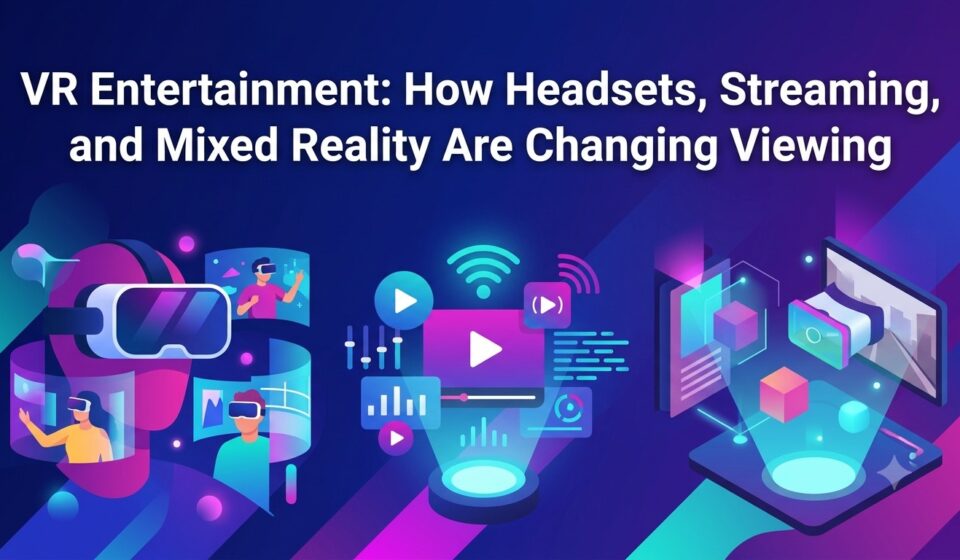

Virtual reality is moving beyond gaming and becoming a major part of digital entertainment. With modern VR headsets, high-speed streaming, and mixed-reality features, viewers can experience content in a more personal and immersive way. Platforms such as VRSpy(vrspy.com) show how streaming, headset compatibility, and immersive formats are coming together to create a new kind of viewing experience.
The Rise of VR Technology
VR technology places users inside a digital environment through a headset rather than asking them to watch a flat screen. A VR headset covers the user’s field of view and responds to head movement, creating the feeling of being present inside the scene. This sense of presence is the main reason VR feels different from traditional video, television, or mobile entertainment. The technology has become more accessible as standalone headsets remove the need for expensive computers or complicated cables. Devices such as Meta Quest headsets, Apple Vision Pro, and PlayStation VR2 have made immersive viewing easier for everyday users. As hardware improves, higher resolutions, better tracking, and lighter designs are helping VR become more comfortable for longer sessions.
VR Headsets and Immersive Viewing
A VR headset is the gateway to immersive entertainment. It combines displays, lenses, motion sensors, and sometimes hand or eye tracking to make digital content feel spatial rather than flat. For viewers, this means a video can surround them instead of simply playing in front of them. Modern headsets also support different formats, including 180-degree and 360-degree video, 3D visuals, and high-resolution playback. VRSpy, for example, says its content is compatible with major headsets including Meta Quest 3, Apple Vision Pro, and PSVR2, while also offering browser-based streaming options. This flexibility matters because users want to enjoy immersive content without being tied to one device or app.
Streaming Changes the Experience
Streaming has made VR entertainment more convenient by allowing users to access content directly through a headset browser or compatible VR player. Instead of downloading large files, viewers can select a title, stream it, and begin watching within minutes. This approach is especially useful for high-resolution VR video, which can require significant storage space. The VR streaming market is expanding quickly as platforms invest in cloud delivery, subscription access, and better playback technology. Industry research estimates the market at about USD 3.05 billion in 2026, with projected growth to USD 6.33 billion by 2031. As internet speeds and edge-rendering technology improve, streaming may become the default way people experience VR entertainment.
Mixed Reality Brings Content Into the Room
Mixed reality, or MR, goes a step beyond traditional VR by blending digital objects with the user’s physical surroundings. Instead of fully blocking out the real world, MR can place virtual elements into a room, making the experience feel more interactive and personal.Passthrough mixed reality is becoming an important feature for entertainment platforms. VRSpy highlights pass through experiences that can bring digital performers into a viewer’s physical space, showing how MR is changing the way immersive media is designed. For mature entertainment, this technology creates a more intimate and realistic viewing format, while also raising new questions about comfort, consent, and responsible use.
Mature Entertainment in VR
VR has also become a growing space for mature entertainment, where adult-oriented studios use immersive video to offer more personal viewing experiences. VRSpy is one example of a platform focused on VR adult content, offering streaming and downloads across major headsets and using high-resolution formats such as 4K, 6K, and 8K.The appeal of this category comes from the sense of presence that VR provides. However, users should approach mature VR content responsibly, choose reputable platforms, respect age restrictions, and protect their personal accounts and payment information. Platforms such as VRSpy state that they offer discreet billing and streaming or download access, but users should still review terms and privacy practices before subscribing.
Privacy in VR Matters
Privacy is one of the most important issues in VR. Headsets can collect detailed information about movement, gaze, hand gestures, voice, and even facial geometry. Because these signals can be highly personal, researchers and security experts warn that VR data should be treated as potentially identifiable information.Users should be careful about the permissions they grant to VR apps and streaming services. Before using a platform, it is wise to check what data is collected, whether it is shared with third parties, how long it is stored, and whether payment details are protected. VRSpy provides account-based access and supports streaming through VR players and browsers, so users should use strong passwords and avoid sharing login details.
Safety and Responsible Use
VR can be enjoyable, but it should be used safely. Because a headset blocks much of the surrounding environment, users should clear their play area, avoid walking near stairs or furniture, and take breaks if they feel dizzy or uncomfortable. These basic habits reduce the risk of accidents during immersive sessions. Responsible use also includes managing screen time and being mindful of content choices. VR can feel more intense than ordinary video because it surrounds the viewer, so users should choose content that matches their comfort level and avoid using headsets when tired or unwell. Parents should also ensure that age-restricted content is not accessible to minors.
The Future of Digital Entertainment
The future of digital entertainment will likely combine VR, mixed reality, streaming, and interactive features. Rather than replacing traditional screens completely, VR will create another way to experience stories, live events, games, and mature entertainment in a more immersive format. The growth of VR streaming suggests that audiences are increasingly interested in content that feels personal and engaging. Platforms such as VRSpy and vrspy.com demonstrate how the industry is adapting by combining high-resolution VR video, headset compatibility, streaming, and mixed-reality features. As technology matures, the best experiences will be those that balance immersion with privacy, safety, and user control.
Conclusion
VR technology is changing digital entertainment by making viewing more immersive, interactive, and personal. VR headsets, streaming services, and mixed reality are giving users new ways to experience content, including mature entertainment, from home. At the same time, privacy and responsible use must remain central as platforms collect more sensitive data. For viewers, the smartest approach is to enjoy the benefits of VR while choosing trusted platforms, protecting personal information, and using headsets safely.