

You’re standing outside your own house at 11 PM, patting down your pockets for the third time, and the keys are nowhere to be found. Sound familiar? A good key safe fixes that problem forever — but only if you pick the right one. Choose wrong, and you’ve basically bolted a free “keys here” sign to your wall. Let’s make sure that doesn’t happen.
What Exactly Is a Key Safe?
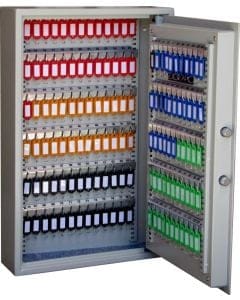
A key safe (sometimes called a lockbox) is a small, weatherproof container that mounts near your front door and holds a spare key behind a combination or digital code. Family, guests, dog walkers, or cleaners can grab the key without you handing over a copy or being home to let them in. Simple idea — but not all key safes are built the same, and the difference matters a lot when it’s protecting your front door.
Why Your Front Door Needs a Different Standard
Not every key safe is meant for your house. Some are designed for garden sheds or low-risk storage. Your front door is a different situation entirely — it’s the main entry point to your home, so the safe guarding that key needs to hold up against tampering, weather, and time. Here’s what to actually look at.
1. Check for Police-Approved or Sold Secure Certification
This is the single biggest factor, and honestly, the one most people skip. In the UK, look for Sold Secure or Police Preferred Specification (Secured by Design) ratings. In the US, look for UL-listed or ANSI-graded models. These ratings mean the safe has been physically tested against drilling, prying, and impact attacks — not just marketed as “secure.” If your home insurance requires a key safe for claims involving stolen keys, an uncertified box could actually void your cover.
2. Look for Solid, Weatherproof Construction
Your front door key safe lives outside, all year round. That means rain, frost, and summer heat are constantly working against it. Look for:
- Die-cast zinc alloy or hardened steel body — plastic or thin metal is easy to crack or drill.
- Weatherproof seals around the code dials or keypad to stop water ingress and freezing.
- Rust-resistant coating, especially if you live somewhere coastal or humid.
A safe that jams up after one wet winter isn’t saving you time — it’s creating a new problem.
3. Combination Dial vs Digital Keypad — Which Fits You?
This is where personal preference comes in.
Mechanical combination dials are reliable, need no batteries, and are tough to hack electronically. The trade-off? They can be slightly fiddlier to open in the dark or cold.
Digital keypads offer faster access, the ability to change codes often (great if multiple people use it, like Airbnb guests or cleaners), and some even sync with smart home apps. The catch is battery dependency — always check the battery life and low-battery warning feature before buying.
If you’re renting out your property or have frequent visitors, digital wins for flexibility. If you want a “set it and forget it” solution, go mechanical.
4. Mounting Method Matters More Than People Think
A key safe is only as strong as what it’s bolted to. Look for:
- Fixings included — masonry bolts for brick/concrete walls.
- Shrouded design that covers the bolt heads once mounted, so they can’t be unscrewed from outside.
- Anti-drill plates behind the keypad or dial.
Mount it on solid brick or concrete, not a wooden fence panel or hollow wall — that alone can undo an otherwise excellent safe.
5. Key Capacity and Size
Some safes hold one key, others hold three or four along with a small fob or access card. If multiple family members, a dog walker, and a cleaner all need entry, a larger-capacity safe saves you from juggling multiple boxes.
Quick Comparison: What to Prioritize by Use Case
| Use Case | Best Feature to Prioritize |
|---|---|
| Homeowners (personal use) | Sold Secure/Police-approved rating |
| Airbnb & rental hosts | Digital keypad with changeable codes |
| Elderly care / carers | Simple mechanical dial, easy grip |
| Estate agents | High key capacity, durable metal body |
Frequently Asked Questions
Is a key safe on my front door actually safe? Yes — as long as it carries a recognized security certification like Sold Secure or UL-listed, and is properly bolted into brick or concrete rather than a weaker surface.
Will my insurance cover a stolen key safe? Many UK insurers require a Police Preferred Specification key safe for cover to apply if keys are stolen from it. Always check your policy wording before installing one.
Where should I mount a key safe on my front door? Choose a spot that’s not directly visible from the street, ideally on solid brick or concrete, at a height that’s easy to reach but not overly exposed to weather or foot traffic.
How often should I change the key safe code? If you’re using a digital model with regular visitors — cleaners, guests, tradespeople — change the code every few weeks or after each new person is given access.
Also Read: Git for DevOps: The Complete Guide to Workflows, Branching Strategies & GitOps
The Bottom Line
Choosing the right key safe for your front door really comes down to three things: a genuine security certification, solid weatherproof build quality, and proper mounting. Skip any one of those, and you’re trading convenience for risk. Get all three right, and you’ll never have to stand outside your own house at 11 PM again, wondering where your keys went.