
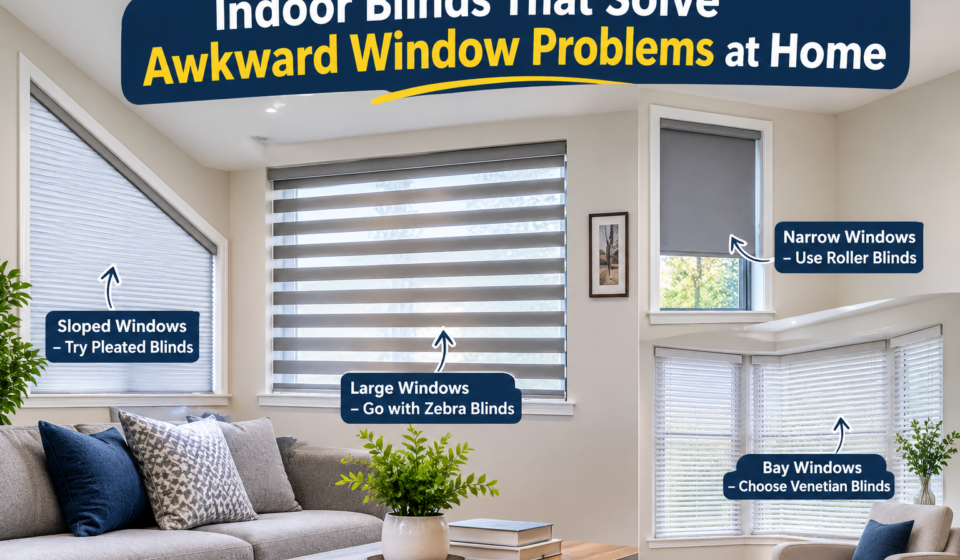

Some windows are surprisingly difficult to live with. A bedroom catches the early morning sun, making sleep difficult. A living room looks straight into the neighbour’s kitchen. Or a large window floods the house with afternoon glare, leaving everyone squinting at the television.
These problems might seem minor at first, but they can become frustrating when they affect your daily routine.
The good news? You don’t necessarily need expensive renovations or replacement windows. Choosing the right indoor blinds can solve many of these annoyances while making your rooms look more comfortable and inviting.
When Your Windows Let in Too Much Sunlight
Natural light is wonderful until it becomes overwhelming.
Melbourne homes with west-facing windows can experience particularly uncomfortable afternoon sunlight. The glare makes computer screens difficult to see, heats up furniture, and can leave certain rooms feeling unpleasant during summer.
Blockout roller blinds are often a practical solution.
Their opaque fabric is designed to stop light passing through the material, making them especially useful in bedrooms and media rooms. However, light can still enter around the edges, depending on how the blinds are installed.
For living areas where you want softer daylight rather than darkness, light-filtering blinds may be a better choice.
They diffuse incoming sunlight, reducing harsh brightness while keeping the room feeling open.
Before choosing, think about when the sunlight causes trouble. Morning glare and afternoon heat might require different approaches, especially if the windows face different directions.
Finding Privacy Without Living in the Dark
Nobody wants to feel like they’re living in a fishbowl.
Unfortunately, many suburban homes have windows facing neighbouring properties, shared driveways, or busy streets.
Closing heavy curtains throughout the day gives you privacy, but it also blocks the natural light you probably want.
Screen blinds offer another option.
These blinds use specially woven fabrics that can reduce visibility into your home during daylight while allowing some light through. Depending on the fabric’s openness, you may still be able to see outside.
There’s one important catch, though.
At night, when your interior lights are brighter than the outdoors, people outside may be able to see through screen fabrics.
That’s why dual roller blinds are worth considering.
With two separate fabric layers, you can use a screen blind during daylight hours and lower a blockout blind when you need greater privacy.
It’s a simple arrangement that works particularly well in living rooms facing the street.
Getting the Right Fit for Unusual Windows
Not every window comes in a convenient, standard size.
Older Melbourne houses can have tall, narrow windows, while modern homes sometimes feature large glass panels that stretch almost from floor to ceiling.
Buying ready-made blinds for these spaces can be frustrating.
You might find something that’s slightly too narrow, leaving irritating gaps. Or the blind might be too wide, requiring awkward adjustments.
Made-to-measure blinds help avoid these problems.
A professional installer can assess the window dimensions, mounting position, and available clearance before recommending a suitable design.
For homeowners uncertain about fabric selection or installation requirements, speaking with indoor blind specialists in Melbourne can help narrow down options that suit the room’s practical needs.
This is especially helpful when windows have unusual frames, restricted mounting space, or existing fittings that might interfere with installation.
A properly fitted blind should operate smoothly without looking squeezed into place.
Making Small Rooms Feel Bigger
Window coverings can change how spacious a room feels.
Heavy curtains with elaborate folds may look beautiful in a large formal lounge, but they can overwhelm a small bedroom or apartment.
Simple roller blinds are often a better match for compact spaces.
Because the fabric rolls neatly around a tube, the blind takes up relatively little visual space when raised.
Colour choice also makes a difference.
Light neutrals, warm whites, and soft greys can create a calm appearance without drawing unnecessary attention to the window.
Matching the blind colour closely to the surrounding walls can make the space feel more continuous.
And don’t forget the mounting position.
Where the window design allows it, fitting blinds above the window opening rather than directly inside the frame can make the window appear taller.
It’s a modest visual trick, but it can noticeably improve the proportions of smaller rooms.
Choosing Blinds for Bedrooms That Need Better Sleep Conditions
A bedroom should be somewhere you can rest without unnecessary interruptions.
Yet plenty of people struggle with streetlights shining through their windows or sunlight entering earlier than they’d like.
Blockout blinds are particularly useful here.
They’re designed to prevent light passing through the fabric, which can make the room considerably darker when properly fitted.
However, the installation matters almost as much as the material.
A blockout blind installed inside the window recess may leave visible strips of light around its edges.
Mounting it outside the recess, with suitable overlap, can reduce those gaps.
For people who work night shifts or have young children who nap during daylight hours, additional side channels or other light-blocking treatments may be worth discussing.
It’s also worth checking that operating cords are secured or choosing a suitable cordless or motorised design, especially in homes with children.
Making Large Windows Easier to Manage
Large windows look impressive, but operating their blinds isn’t always convenient.
Imagine having several wide blinds across a living room. Raising and lowering each one manually every morning quickly becomes tedious.
Motorised blinds can make this routine easier.
Depending on the system, they may be operated using a remote control, wall switch, or compatible smartphone application.
Some systems also support scheduled operation.
You could arrange for certain blinds to lower during the brightest part of the afternoon or open in the morning.
Motorisation can also be helpful for high windows that are difficult to reach safely.
However, not every installation needs automation. For smaller windows that are easy to access, a simple manual blind may provide everything you need at a lower cost.
Selecting Fabrics That Suit the Room
A fabric that works beautifully in a bedroom might be completely unsuitable for a kitchen.
Before choosing indoor blinds, consider what happens in each room.
Kitchens can experience cooking moisture, occasional splashes, and airborne grease. Easy-clean materials are generally preferable near these areas, provided the blind is positioned safely away from heat sources.
Bathrooms present another challenge.
Humidity can affect certain materials over time, making moisture-resistant options more practical.
Living rooms allow more flexibility.
You might prioritise filtered sunlight, outside views, or fabric textures that complement existing furniture.
Bedrooms usually place greater emphasis on privacy and light control.
It’s also sensible to request fabric samples rather than relying entirely on photographs.
Colours can look surprisingly different under natural daylight compared with indoor lighting.
A sample held against your wall and furniture will give you a much better idea of how the finished blind might look.
Don’t Forget Everyday Maintenance
Even beautiful blinds can become frustrating if they’re difficult to keep clean.
Fortunately, many roller blinds require relatively little maintenance.
Regular dusting with a soft cloth or vacuum brush attachment can help prevent dirt from accumulating.
For marks or spills, follow the manufacturer’s cleaning instructions. Some fabrics tolerate gentle spot cleaning, while others require more careful treatment.
Avoid soaking materials unless the manufacturer specifically recommends it.
It’s also worth checking the operating mechanism occasionally.
If the blind begins rolling unevenly or feels unusually stiff, investigate the issue before forcing it.
Small maintenance habits can help keep your window coverings working properly for years.
A Better Window Starts With the Right Choice
Indoor blinds might seem like a finishing detail, but they can make a meaningful difference to how comfortable your home feels.
The right choice can soften harsh sunlight, improve privacy, make bedrooms darker, and give awkward windows a cleaner appearance.
Start by identifying the problem each window creates rather than choosing a design purely because it looks attractive.
Consider the room’s purpose, the direction of sunlight, and how often you’ll operate the blinds.
A little thought before installation can save years of small frustrations. And when your window coverings work properly, you’ll probably stop noticing them altogether, which is exactly how they should be.